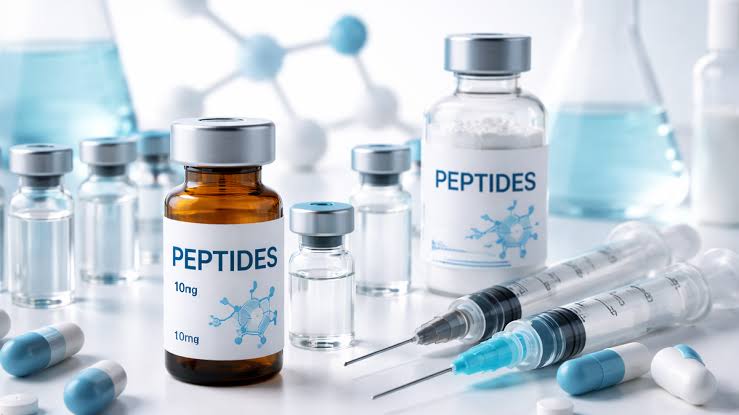
Choosing a peptide supplier is easier when you know which questions to ask. Good suppliers answer them quickly and with documentation. Evasive ones reveal themselves just as fast. Here are the questions every Australian lab or researcher should put to a supplier, including Quantified Peptides, before placing an order.
Questions About Legal Compliance
Is this peptide scheduled in Australia? The Therapeutic Goods Administration (TGA) oversees therapeutic goods, and many peptides appear in the Poisons Standard as Schedule 4 (prescription-only) or Schedule 10 (prohibited) substances. Scheduling changes over time, so verify the current status on the TGA website rather than relying on a supplier’s word alone.
Is the product labelled for in-vitro laboratory use only? It should be. Research peptides are not medicines or supplements, and a responsible supplier will not make therapeutic or human-use claims.
Does my institution need to approve this purchase? Universities and companies often have procurement and compliance rules, so check internally before ordering.
Questions About Quality Documentation
Can I see the Certificate of Analysis for this exact lot? A COA should be batch-specific, listing the lot number, test date, and methods. A generic document reused across batches is a warning sign.
What is the purity, and how was it measured? Ask for HPLC data, ideally the chromatogram itself, not just a percentage. Many researchers treat 98% or higher as a benchmark, though needs vary by study.
How was identity confirmed? Mass spectrometry should match the measured molecular weight to the theoretical value for the sequence.
Who performed the testing? Independent third-party laboratories carry more weight than in-house results. The COA should name the lab.
Questions About Product Specifications
What are the sequence or CAS number, molecular weight, and salt form? Counter-ions such as TFA or acetate can affect cell-based assays, so confirm what suits your application.
Is the vial quantity net peptide content or gross weight? This changes concentration calculations, so the answer matters.
Are endotoxin or sterility data available? If your protocol involves cell culture, ask directly, as not every supplier tests for these.
Questions About Shipping and Storage
Where is stock held, and how long does delivery take? Domestic stock can reduce delays and customs uncertainty.
How are parcels packed? Heat is a real risk during Australian summers, so ask about insulation or temperature protection.
If shipping from overseas, who handles customs compliance? Scheduled substances can be seized at the border, and buyers may face penalties.
What are the storage instructions? Lyophilised peptides are usually kept cold, dry, and protected from light, with repeated freeze-thaw cycles avoided after reconstitution.
Questions About Business Practices and Support
Who is behind the business? Look for an ABN, visible contact details, and published shipping, returns, and privacy policies.
What happens if something is wrong with my order? A clear returns or replacement policy shows accountability.
Can your team answer technical questions? Send a query about solubility or documentation before buying and judge the response. A knowledgeable, timely reply is a good sign.
Applying These Questions to Quantified Peptides
Quantified Peptides presents itself as a supplier serving the Australian research community. Put the questions above to its team directly, and compare the answers with what appears on the website and the COA. Consistency between the two is a strong indicator of reliability.
Final Thoughts
The right questions protect your research, budget, and compliance standing. A supplier confident in its product will welcome them, answer clearly, and back its claims with documents. Keep records of every response and every lot you receive.
Shop Quantified Peptides for research peptides in Australia, with batch-specific documentation, clear product specifications, and responsible labelling designed to support traceability, compliance, and reliable results in Australian laboratory research settings.